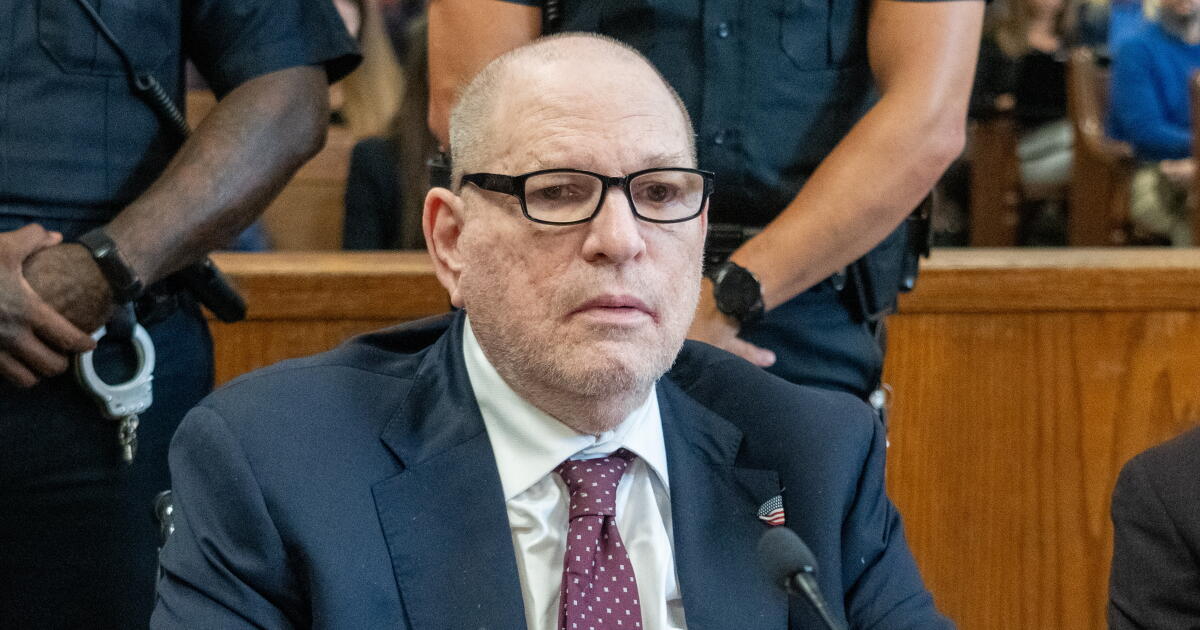
Harvey Weinstein’s lengthy and tumultuous legal battle took another significant turn this week, reinforcing the notion that the disgraced former Hollywood mogul will probably spend the rest of his life in prison. Weinstein, 74, was sentenced to 15 years in prison for a felony sexual assault against former “Project Runway” production assistant Miriam “Mimi” Haley. Following a retrial last year, a jury composed mostly of women found Weinstein guilty of the 2006 assault that occurred in his New York apartment.
Haley provided poignant testimony on the enduring impact of Weinstein’s actions during the sentencing, stating, “Choosing to come forward means I will be looking over my shoulder for years. It feels like a life sentence for me.” While Weinstein expressed “remorse for Miriam Haley’s pain,” he continued to claim his innocence.
This latest New York sentencing is not Weinstein’s first substantial prison term for sexual offenses. Since the onset of accusations that ignited the #MeToo movement in 2017, he has navigated numerous trials leading to convictions for rape and sexual assault. He has already completed over six years of his term in New York, leaving approximately nine years remaining on that sentence. In addition, a forthcoming resentencing in California, where he received over ten years for a 2013 rape, could extend his time behind bars indefinitely.
Reflecting on Weinstein’s previous convictions and their associated sentences reveals a troubling pattern. In March 2020, he was handed a 23-year prison sentence for sexual crimes committed against women, stemming from the #MeToo movement that had severely damaged his career. The trial concluded with mixed results; he was convicted of a criminal sexual act and third-degree rape against Haley and actress Jessica Mann, respectively, but acquitted of more serious charges.
In April of that year, a New York Supreme Court judge established Weinstein’s 23-year sentence, which included 20 years for the attack on Haley and an additional three years for raping Mann. Despite his denials of wrongdoing, he mounted an appeal, with proceedings expected to stretch into 2024.
Weinstein’s troubles continued in February 2023 when he received a 16-year sentence in California after being convicted of sexual assault involving several women over a period spanning from 2004 to 2013. The trial resulted in convictions for forcible rape and sexual penetration, while a mistrial was declared on charges involving other accusers.
As Weinstein looks ahead, he faces the possibility of additional sentences and appeals, complicating the road ahead. Notably, he recently experienced a setback when California’s appellate court refused his petition to challenge his convictions, mandating a resentencing process.
As of now, Weinstein’s health is reportedly declining, might influence his appeals and legal strategy moving forward. In multiple statements, he has expressed anxiety about the conditions of his imprisonment and the potential for dying behind bars—fears that loom large as he continues to confront the reality of his situation in the wake of monumental legal changes and public scrutiny.
The saga surrounding Harvey Weinstein remains an ongoing reminder of the significant repercussions of sexual misconduct in the entertainment industry and beyond.
Read more about this topic:
Harvey Weinstein’s prison sentences, criminal convictions explained


