By StageRunner
For many years, filmmakers have wrestled with a key question: producing a story set in the United States often costs less if filmed elsewhere. In response, various states have implemented their own incentive programs, but they find themselves in competition with countries boasting robust national incentives. A new bipartisan proposal aims to transform this landscape by introducing a federal tax credit that would complement state incentives for qualifying productions. This shift could have significant implications for U.S. crews, production facilities, and post-production services. However, as this remains a proposal, its ultimate impact hinges on the specifics approved by Congress.
The Motion Picture, Television, and Entertainment Revitalization Act proposes a 20% tax credit on eligible U.S. production wages, with certain projects being able to qualify for an extra five percentage points, bringing the total potential credit to 30%. This credit applies not only to films and television but also includes eligible payments for actors, directors, writers, crew members, and other production staff. Additionally, qualifying visual effects and post-production work would be eligible for the credit. This feature of the credit being transferable is particularly notable, as it allows producers who may not be able to apply it to their own taxes to sell the credit to other taxpayers.
The emphasis on wages is particularly critical. A federal tax incentive could significantly influence where producers choose to hire crews, reserve stages, construct sets, and finalize their projects. This federal credit would work in tandem with state programs; for instance, California currently provides a 35% base incentive for many qualifying productions. By adding the proposed 20% federal credit, filmmakers would have two compelling reasons to keep their projects stateside when planning budgets. However, it’s important to note that this doesn’t equate to a 55% return on the total budget; federal and state incentives have different eligibility criteria and stipulations.
In addition, the bill stipulates that productions seeking this primary credit must exceed $1 million in costs and conduct a minimum of 75% of their principal photography days within the United States. This requirement could potentially transform an American shoot from a favored option into a sound financial choice. Moreover, provisions are included to support visual effects and post-production work even when a project doesn’t meet the filming criteria, which, while beneficial, doesn’t directly address the occupancy of soundstages used for filming.
The proposal also offers specific bonuses aimed at supporting independent filmmakers, addressing production in rural and disaster-affected areas, and rewarding those who can demonstrate increased domestic production compared to a historical baseline of foreign work. Additionally, a provision acknowledges producers working across a minimum of 10 states, which could broaden opportunities beyond traditional filming hubs and encourage reconsideration of projects initially intended for international locations.
The implications go beyond just major studios; a consistent production schedule supports a wide range of industry professionals, including technicians, equipment suppliers, construction crews, transportation services, and local businesses. Prominent filmmaker Christopher Nolan described the bill as “the most significant legislative effort in a generation” focused on enhancing domestic film and television production.
Advocates point to a study commissioned by the Motion Picture Association, anticipating $125.3 billion in additional U.S. production spending from 2027 to 2035 and an estimated 143,500 new full-time equivalent jobs each year under a federal incentive. However, these projections are based on assumptions made prior to the introduction of this bill and should not be interpreted as guaranteed outcomes.
Additionally, the proposal highlights the implications of the Paramount–Warner Bros. consent settlement. Should a federal incentive of at least 20% be enacted, it would require the merged entity to film at least 20% of its production days in the U.S. for two years, increasing to 30% over the following three years. It’s crucial to note that this requirement pertains only to film production days and does not extend to guaranteed television output. While the federal bill would encourage filming domestically, merely achieving a filming percentage doesn’t equate to a firm commitment to provide ongoing work for local crews and facilities.
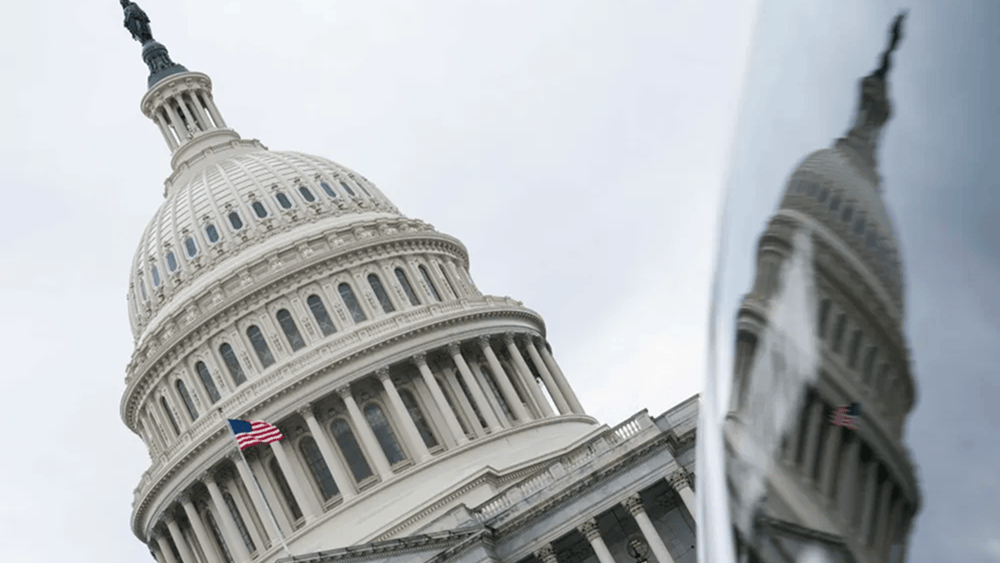
As for now, Congress has yet to pass this tax credit. While a bill supported by both parties and the industry has been put forward, questions around its cost, final details, and legislative journey remain unanswered. If it were to be enacted as currently proposed, it would apply to qualifying productions starting from tax years following 2026, meaning producers cannot currently account for it in their budgets.
For StageRunner, the core question remains: will this initiative successfully draw productions back to the U.S., and will the work be sustainable? A federal credit could provide an essential national incentive, something that individual state programs alone have struggled to achieve, making domestic hiring and filming more competitive. The passage of this bill would be a significant milestone, but ensuring American crews remain employed will depend on producer engagement, state filming conditions, and policymakers effectively tracking the resultant production activity.
Read more about this topic:
The Federal Film and TV Incentive Is Finally Here — Now Congress Has to Pass It.


