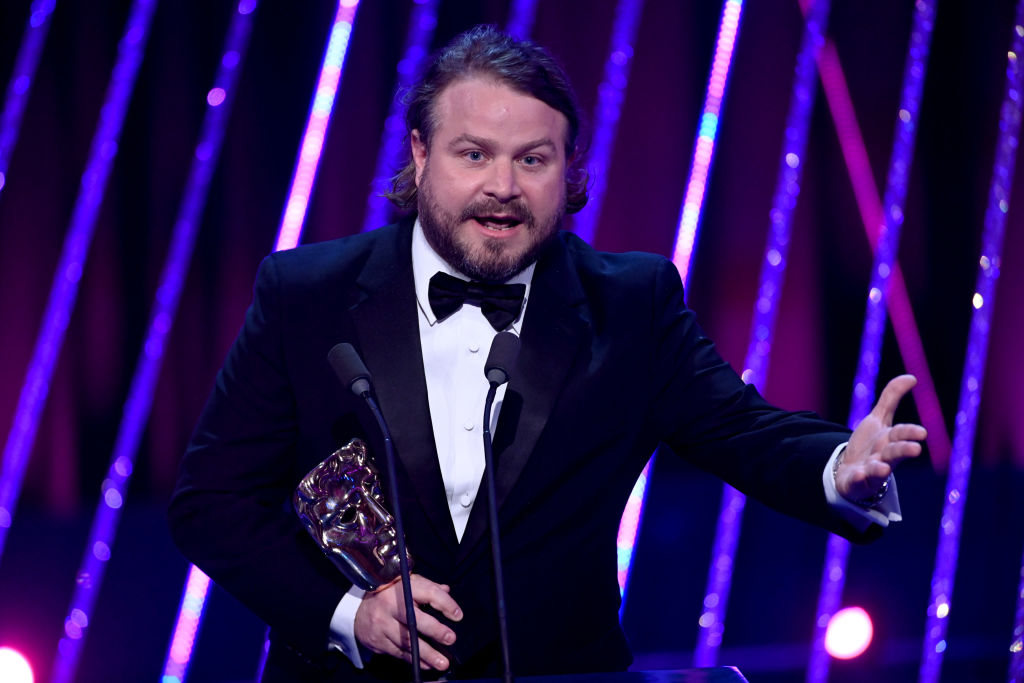
Few films manage to blend artistic ambition with technical innovation as seamlessly as The Brutalist, Brady Corbet’s latest directorial triumph. With its BAFTA-winning cinematography, groundbreaking use of VistaVision, and a deeply immersive aesthetic, the film is a testament to the power of old-school filmmaking techniques in the digital age.
The Technical Marvel of VistaVision
One of the film’s most remarkable aspects is its use of VistaVision, a widescreen format that runs 35mm film horizontally to create a larger image area, enhancing depth and resolution. The choice to shoot the film almost entirely in VistaVision was an aesthetic one, as Corbet aimed to evoke the cinematic language of the 1950s. This decision marked the first American film in 61 years to be shot entirely in this format.
The film’s post-production workflow was equally ambitious, with VistaVision footage scanned at up to 6K resolution, ensuring unparalleled clarity and richness in detail. Complementing this old-school technique, segments of the epilogue were shot on Betacam to replicate the grainy, analog texture of 1980s broadcast footage. The result is a layered visual experience that immerses the audience in multiple time periods without relying on artificial digital effects.
Production Challenges & Budget Constraints
Despite its visual grandeur, The Brutalist was crafted under a lean budget of $10 million—significantly lower than its originally projected $28 million in 2018. Production delays, stemming from COVID-19 disruptions, cast changes, and personal tragedies among the crew, forced the team to rethink and streamline their approach. The film’s 700TB of production data, captured across multiple formats, further complicated post-production logistics.
Hungary’s Role in Global Cinema
With the success of The Brutalist, Hungary continues to solidify its reputation as a prime hub for international filmmaking. From high-end productions like Dune: Part Two to ambitious indie projects, Budapest has proven to be not only a cost-effective alternative to traditional Hollywood locations but also a creative powerhouse with a deep bench of skilled professionals.
Budapest: The Beating Heart of The Brutalist
Shot primarily in Budapest, The Brutalist utilized the Hungarian capital’s rich architectural landscape as a stand-in for mid-century Pennsylvania. The film’s production design leaned heavily into brutalist architecture, crafting a visual language that resonated with the film’s themes of displacement and ambition. Portions of the film’s structures were constructed on-site using faux concrete blocks made from painted foam, with a large-scale model of the Institute serving as both an interior and exterior set piece, later augmented with visual effects.
Beyond its locations, Hungary’s film industry provided an exceptional talent pool, with 73 Hungarian professionals embedded in key production roles. From cinematography to production management, art direction, sound, and stunts, Hungarian crew members played a crucial role in shaping the film’s aesthetic and execution. Among them:
- Production: Annamária Ligosztájeva (Line Producer), Viktória Petrányi (Co-Producer), Gábor Téni (Production Manager)
- Editing & Post-Production: Dávid Jancsó (Editor), Máté Ternyik (Colorist), with scanning handled at Budapest NFI FilmLab
- Casting: Beatrix Nemesházi (Local Casting Director)
- Sound & Stunts: Szabolcs Gáspár (Sound Mixer), Gáspár Szabó (Stunt Coordinator)
- Camera & Electrical Department: Gergely Csepregi (First Assistant Camera), Attila Pfeffer (Steadicam Operator)
In many ways, The Brutalist is a perfect case study of how auteur-driven cinema can thrive in Budapest, leveraging the city’s resources, talent, and cinematic legacy to create something truly special. As Hungary’s film industry continues to attract major productions, The Brutalist serves as both a testament and a beacon for what’s possible when vision meets craftsmanship in the heart of Central Europe.


