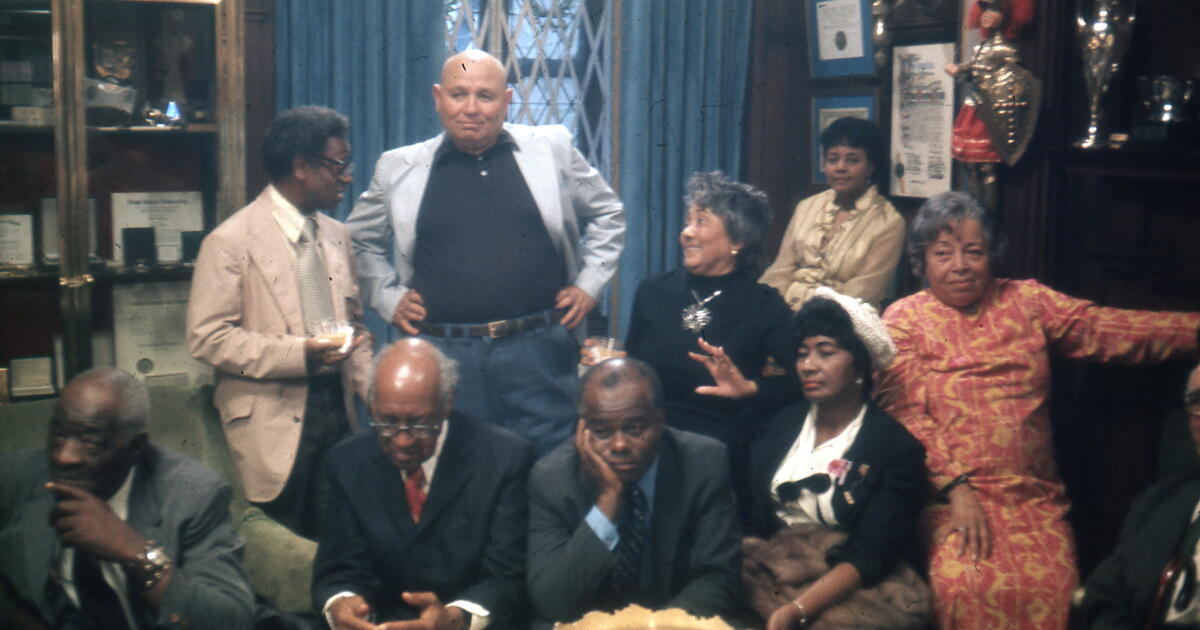
"Once Upon a Time in Harlem" is a remarkable documentary that captures the vibrant spirit of a bygone era, celebrating the Harlem Renaissance during a memorable 1972 gathering at the townhouse of jazz legend Duke Ellington. Organized by renowned filmmaker William Greaves, this film serves as both an archival gem and an engaging tribute, bringing together influential figures from the Harlem Renaissance for a heartfelt reunion. The discussions and spirited debates among these icons revive a significant chapter in Black political and artistic history, showcasing their enduring legacy.
Even though Greaves, who passed away in 2014, had larger ambitions for this project, it was his widow, Louise, and later their son David, who brought it to fruition after her passing in 2023. David, who was present as a young cameraman during the original event, worked alongside his daughter Liani to piece together the documentary, which also features Greaves’s own handwritten notes and voiceovers reciting poetry, making it a personal homage to his work. Known for his groundbreaking 1971 film "Symbiopsychotaxiplasm: Take One," Greaves had a profound belief in the chaotic beauty of human connection.
The film’s lively atmosphere is palpable, filled with the excitement of engaging dialogue and animated interactions. Editors Lynn True and Anne De Mare skillfully maintain a dynamic pace, using split panels to highlight lively exchanges while integrating insightful one-on-one interviews that Greaves conducted later.
As the camera captures the essence of this extraordinary gathering, we become deeply immersed in the past. The attendees, many elegantly dressed and in their twilight years, engage in discussions that showcase their vibrant personalities. Librarian Regina Andrews, a revered figure, eloquently shares the collective enthusiasm among young thinkers and creatives at the time. Eubie Blake recounts the story of the influential musical "Shuffle Along," offering an entertaining anecdote about his encounter with Charles Lindbergh. Ida Mae, the widow of poet Countee Cullen, passionately ensures her husband’s legacy remains front and center in the conversation.
The documentary also explores various perspectives, including those of Pan-African socialist Richard Moore, who passionately addresses themes of radicalism and racial pride, as well as other intellectuals who reflect on the Harlem Renaissance’s political movements. Notably, controversial essayist George Schuyler provides a contrasting viewpoint, facing challenging exchanges from fellow guests like Langston Hughes, who confronts his previous arguments against a distinct "Negro art."
Throughout the film, there’s a shared awareness among the attendees of their responsibility to communicate their experiences and insights to future generations, addressing the neglect they fear. Cultural figures like painters Richard Nugent and Romare Bearden, poet Arna Bontemps, and theater executive Abram Hill advocate for the significance of art as a driving force behind the Renaissance. Leigh Whipper, an almost centenarian and co-founder of the Negro Actors Guild, captivates with his youthful spirit as he recites a monologue from memory.
David Greaves’ "Once Upon a Time in Harlem" is a loving tribute to an essential chapter in history, blending enjoyment with powerful lessons. The resilient figures in the film showcase their commitment to keeping memories alive and challenging narratives, emphasizing the importance of dialogue and remembrance. Their legacy invites us all to engage joyously with our communities, fostering connections with those who share our passions and aspirations.
Film Details
Title: Once Upon a Time in Harlem
Rated: PG-13 for strong racial language, some unsettling imagery, smoking, and brief partial nudity
Runtime: 1 hour, 40 minutes
Premiere: Opens on Friday, October 23 at AMC Century City 15.
Read more about this topic:
‘Once Upon a Time in Harlem’ review: Memories of art and activism


