Stephen King’s debut novel, “Carrie,” released in 1974, made an impressive mark by selling a million copies within its first year. The story reached even wider audiences following Brian De Palma’s film adaptation in 1976, which reportedly grossed nearly $139 million from a mere $1.8 million budget. This adaptation not only catapulted the horror genre into mainstream cinema but also paved the way for the broader Stephen King entertainment empire, whose influence continues to thrive today.
The film served as a launching pad for the careers of several notable stars, including Sissy Spacek, John Travolta, and Amy Irving. While De Palma’s “Carrie” is regarded as a classic, it remains a tough watch for some due to its intense portrayal of bullying and the traumatic experiences of its central character. This leads to the upcoming release of “Carrie 2026,” an eight-hour adaptation directed in part by Mike Flanagan, known for his work on “The Haunting of Hill House.” The series will premiere this Wednesday on Prime Video.
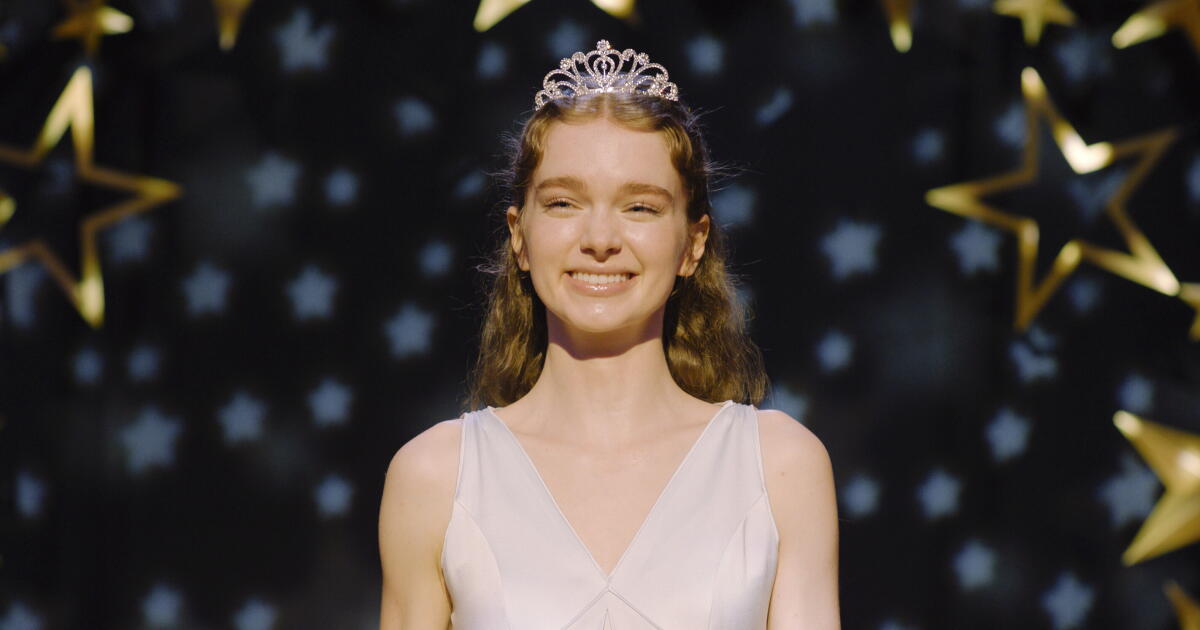
In this new adaptation, Carrie White, played by Summer H. Howell, lives a sheltered life with her mother Margaret (Samantha Sloyan) and father Ralph (Tahmoh Penikett), a construction worker with conspiracy theories that isolate the family. Tragically, Carrie’s father dies early on, prompting social services to step in and enroll her in high school, where she quickly becomes a target for ridicule due to her peculiarities and outdated clothing.
Despite her enthusiasm for school and its resources, Carrie’s first experience with menstruation in a locker room leads to a humiliating incident, as the other students bombard her with tampons. The narrative introduces Chris Hargensen (Alison Thornton), the main antagonist, whose insecurities reflect deeper personal issues as her life begins to unravel. Meanwhile, Sue Snell (Siena Agudong), Chris’s friend, tries to navigate her remorse and compassion amidst the turmoil.
As Carrie explores her own emerging telekinetic powers, she grapples with feelings of isolation and the longing for acceptance. Her journey is punctuated by her interactions with a supportive new friend, Emaline West (Thalia Dudek), who provides a counterbalance to the cruelty of their peers and recognizes Carrie’s uniqueness.
Flanagan adds layers to the character development and themes throughout the series, exploring the complexities of adolescence and the struggles of fitting in. Carrie reflects on historical figures with special powers in a male-dominated society, linking her experiences to a broader narrative regarding women and their struggles.
While the eight-hour format allows for deeper exploration of the characters, it also introduces some unnecessary plotlines and deviations that may feel convoluted. The story addresses contemporary issues such as cyberbullying and societal divides, making it relevant to today’s audience.
Overall, the new “Carrie” adaptation strikes a balance between cinematic horror and intimate character study. It captures the essence of Stephen King’s original tale while recontextualizing it for modern viewers. This effort to blend poignant moments of connection with the inevitable tragedy of Carrie’s fate creates a viewing experience that is both heartbreaking and compelling. Despite a few missteps, “Carrie” succeeds in evoking a lasting emotional response, leaving the audience feeling a mix of sadness and anxiety throughout. In summary, if asked about the new adaptation, it could be summed up with a straightforward, “It’s good.”
Read more about this topic:
‘Carrie’ review: A modern expansion with an apocalyptic lead